
As an Amazon Associate, Treadluma earns from qualifying purchases. We compare equipment on published manufacturer specifications, not marketing claims.
A full dumbbell rack is ten or more pairs of fixed weights and a stand the size of a bookshelf. An adjustable pair replaces the whole rack with two handles that change weight in seconds. The idea is simple; the execution varies a lot between the three adjustment mechanisms on the market, and buying the wrong one means slow weight changes, a wobbly handle, or a pair you outgrow in a year.
This guide compares the three mechanisms with real models: the Bowflex SelectTech 552 for dial-a-weight, the PowerBlock Elite EXP for selector blocks, the Core Fitness Adjustable Dumbbell for twist-handle, and Yes4All plate-loaded handles for the budget route. If your home gym also needs a cardio corner, our treadmill buying guide covers motor and belt sizing the same honest way.
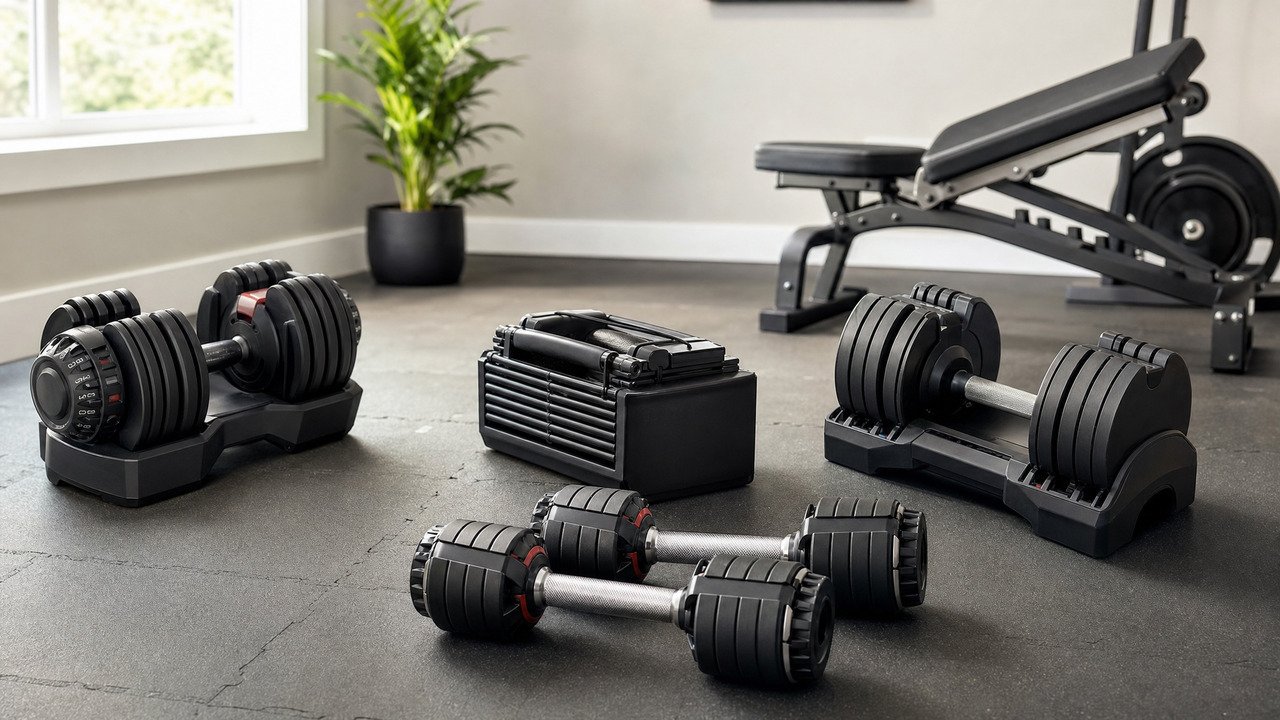
Dial-a-weight: turn and lift
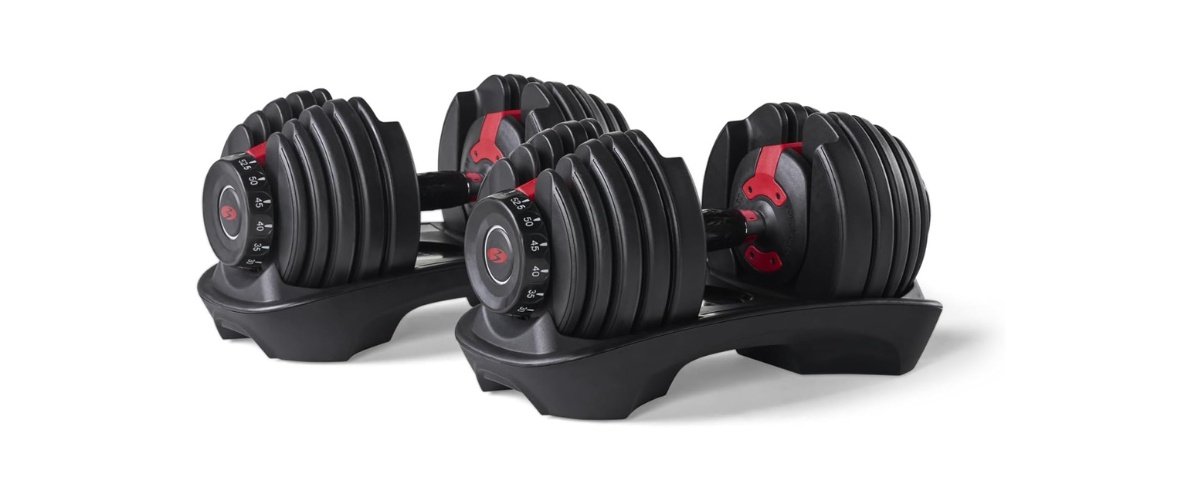
Dial dumbbells sit in a tray of weight plates. You turn a dial on each handle to the weight you want, lift, and the unselected plates stay in the tray. Changing weight takes about five seconds per dumbbell, which makes these the best mechanism for fast-paced workouts where you switch weights between exercises.
Bowflex SelectTech 552. Bowflex’s published specs list an adjustment range of 5 to 52.5 pounds per dumbbell in 2.5-pound increments, replacing 15 sets of fixed weights according to the company. The dial mechanism is mostly plastic, which keeps the price down but means these are not dumbbells to drop: repeated drops can crack the selector parts, and that failure is not covered as normal wear.
Dial dumbbells are long: at 52.5 pounds the 552 measures about 16 inches, noticeably longer than a fixed dumbbell of the same weight. In tight spaces, or for exercises where the handles pass close to your body, that length takes getting used to.
Selector blocks: nested plates, compact body
Selectorized blocks stack weight plates inside a nested steel frame. A selector pin slides to the weight you want, and you lift the handle with only the selected plates attached. The body stays shorter than a dial dumbbell at heavy weights because the plates nest inside each other instead of lining up end to end.
PowerBlock Elite EXP. PowerBlock’s published specs list 5 to 50 pounds per hand, with expansion kits sold separately that raise the range to 70 and then 90 pounds. The expansion path is the real selling point: it is the only mainstream adjustable dumbbell you can grow instead of replace. The trade is the handle feel. The nested block surrounds your hand in a rectangular cage, which some lifters find awkward for exercises like goblet squats where a fixed dumbbell’s compact head sits more naturally.
Like dial dumbbells, selector blocks should not be dropped. The pin and nested plates tolerate normal training, but throwing them after a set is how selector mechanisms break.
Twist-handle: one motion, no pins
Twist-handle dumbbells change weight by rotating the handle itself, which engages more or fewer internal plates. Twist, lift, train: weight changes are nearly as fast as a dial, with no separate selector to operate.
Core Fitness Adjustable Dumbbell. Core Fitness lists a 5 to 50 pound range per dumbbell with a twist of the handle. The mechanism is simpler than a dial, with fewer small plastic parts involved in selection, and the body is shorter than most dial dumbbells at equivalent weights. Increments are wider than the 2.5-pound steps on the Bowflex 552, which matters most for upper-body exercises where small jumps are the difference between good form and muscling the weight up.
Plate-loaded handles: the cheap, slow, honest option
Plate-loaded adjustable dumbbells are threaded or smooth handles with loose plates and spinlock collars. You add or remove plates by hand and tighten the collars. A set costs a fraction of a dial or block pair, the parts are nearly indestructible, and there is nothing to break if you drop them.
Yes4All adjustable dumbbell sets. Yes4All sells handle-and-plate sets in several total weights. The honest costs are time and attention: changing weight means unloading plates, loading new ones, and tightening two collars per handle, which takes a minute or more. Collars also loosen during a workout if you do not check them, so a quick twist check between exercises is part of the routine.
This is the right choice if your budget is tight, if you train one weight per session and rarely change mid-workout, or if you want a pair that survives a garage floor. It is the wrong choice for circuit training, where a minute of plate changes between exercises kills the pace.
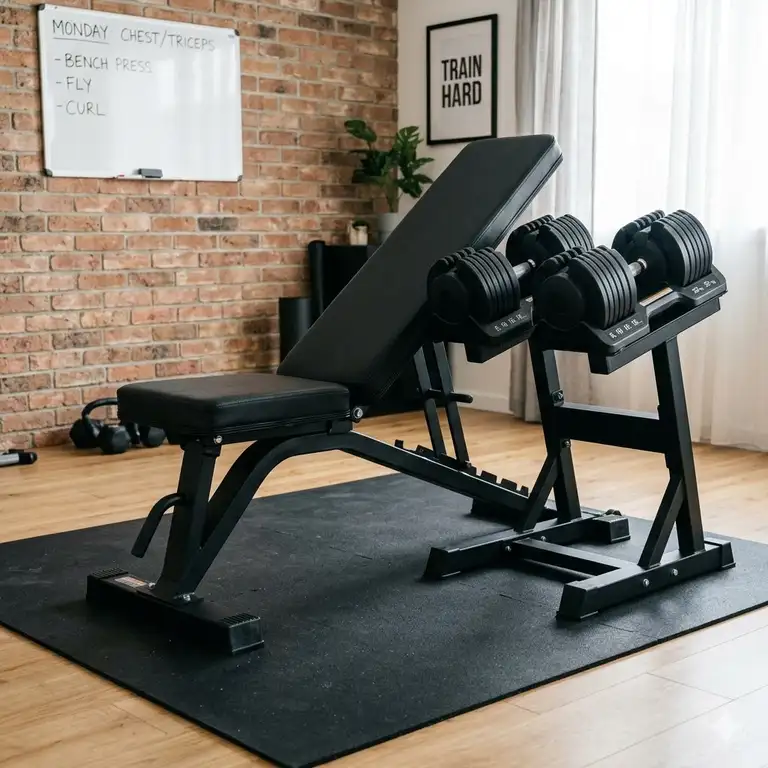
What to check before you buy
Weight range against your actual lifts. Beginners often buy a pair capped at 25 pounds and outgrow it within months on lower-body exercises. A 50-pound ceiling covers most home training for a long time; go heavier only if you already know your working weights exceed it.
Increment size. Small jumps matter more than people expect. A 2.5-pound step lets you progress on overhead presses and curls where a 5-pound jump forces bad form. If the dumbbell only offers 5-pound steps, plan to buy fractional add-on plates or accept slower progression on upper-body lifts.
Footprint and storage. Dial and block dumbbells need their trays: without the tray, you cannot change the weight. Measure the tray footprint against your floor space before ordering. Our treadmill vs walking pad comparison makes the same space-first point for cardio equipment.
Drop policy. No adjustable dumbbell with a selector mechanism is meant to be dropped. If your training style ends sets by dropping the weights, buy fixed dumbbells or plate-loaded handles instead. This is the single most common way people break adjustable pairs.
Side-by-side on published specs
| Model | Weight range | Increments | Mechanism | Check price |
|---|---|---|---|---|
| Bowflex SelectTech 552 | 5-52.5 lb per dumbbell | 2.5 lb | Dial | Check price on Amazon |
| PowerBlock Elite EXP | 5-50 lb per hand | 2.5-5 lb | Selector pin, expandable | Check price on Amazon |
| Core Fitness Adjustable | 5-50 lb per dumbbell | 5 lb | Twist handle | Check price on Amazon |
| Yes4All Adjustable Set | Varies by set | Plate-dependent | Spinlock plates | Check price on Amazon |
Which pair should you buy?
Buy dial-a-weight if you run circuits or supersets and need five-second weight changes, and you train in a space where dumbbells will not be dropped. The Bowflex 552’s 2.5-pound increments are genuinely useful for upper-body progression.
Buy selector blocks if you want the option to go heavier later without buying a new pair. The PowerBlock’s expansion kits are unique in this price class. Accept the cage handle feel before you commit: if possible, handle one in a store first.
Buy twist-handle if you want fast changes with a simpler mechanism and a shorter body than dial dumbbells, and you can live with wider increments.
Buy plate-loaded handles if the budget decides, if you rarely change weight mid-workout, or if your training involves drops. Spend the savings on a flat bench: it multiplies what any dumbbell pair can do.
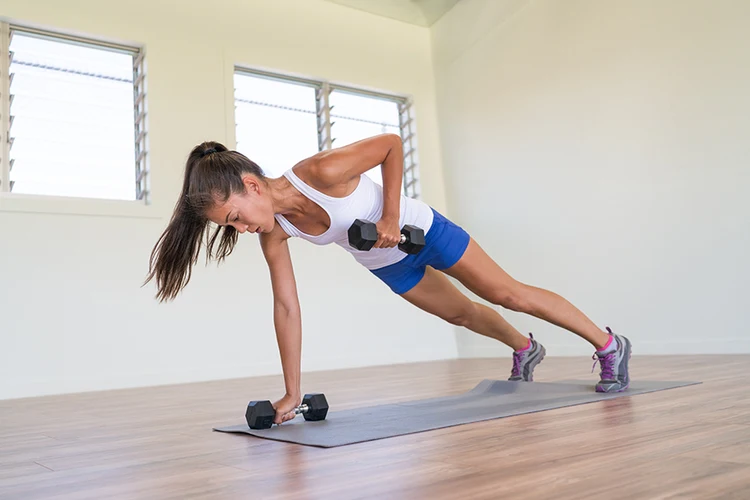
Whatever mechanism you choose, keep the moving parts clean and store the pair in its tray. Adjustable dumbbells reward a little care the way a treadmill rewards belt maintenance: ten minutes of attention prevents most failures.
1 thought on “Adjustable Dumbbells Buying Guide: How to Pick the Right Pair”