
As an Amazon Associate, Treadluma earns from qualifying purchases.
A first kettlebell purchase is easy to get wrong in both directions. Buy too heavy and your form falls apart on the second set. Buy too light and the bell stops challenging you within a month. The good news is that most beginners only need one good bell to start, and the right weight depends more on the moves you plan to do than on your general strength.
This guide covers how kettlebell weights work, which weight suits common beginner moves, the differences between cast iron, competition, and adjustable bells, and how many bells a small home gym really needs.
How kettlebell weights are labeled
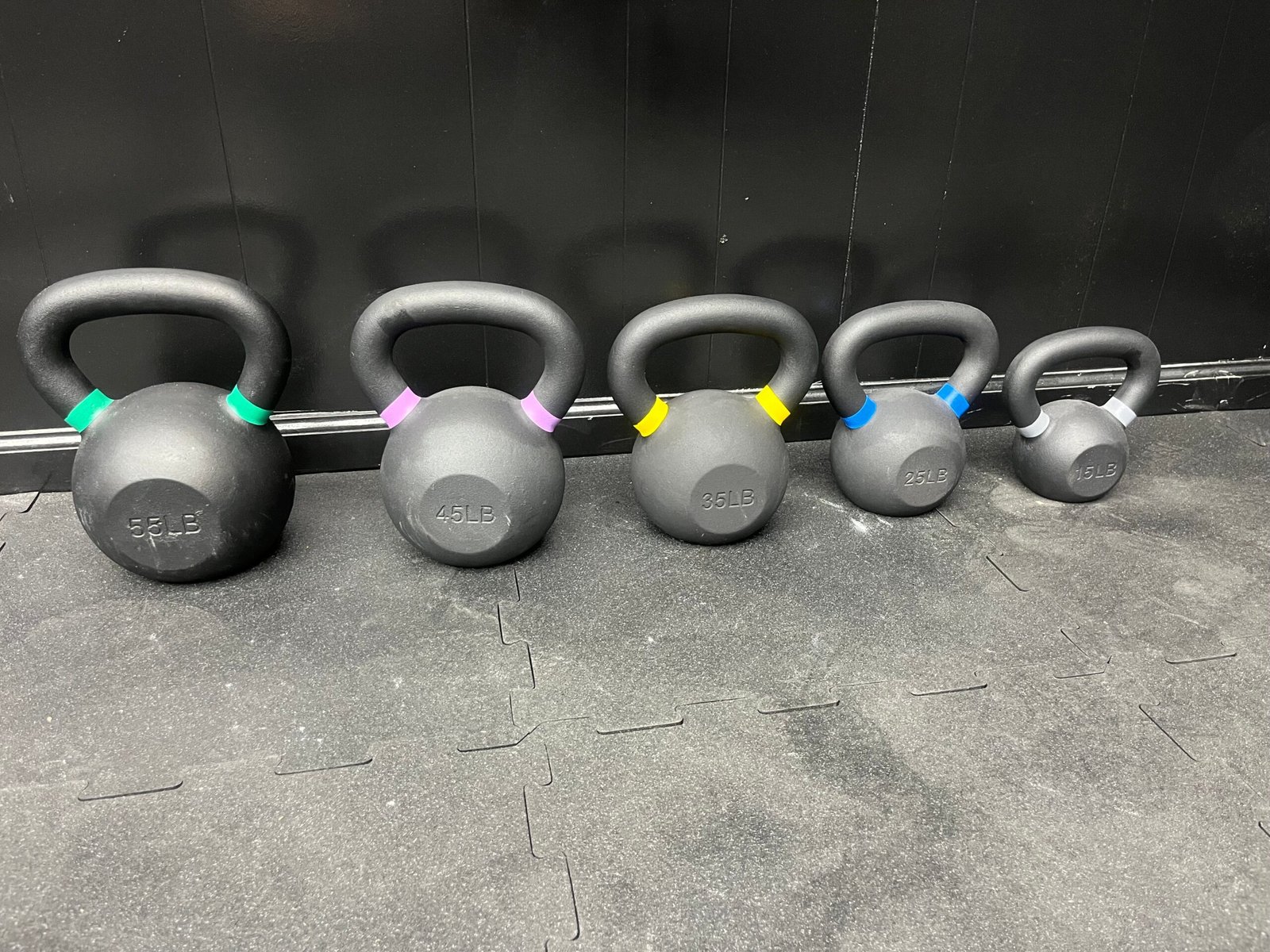
Kettlebells are traditionally sold in kilograms, even in the United States. Many brands print both units on the bell, but some print kilograms only, so it helps to know the common sizes. An 8 kilogram bell is about 18 pounds, 12 kilograms is about 26 pounds, 16 kilograms is about 35 pounds, 20 kilograms is about 44 pounds, and 24 kilograms is about 53 pounds.
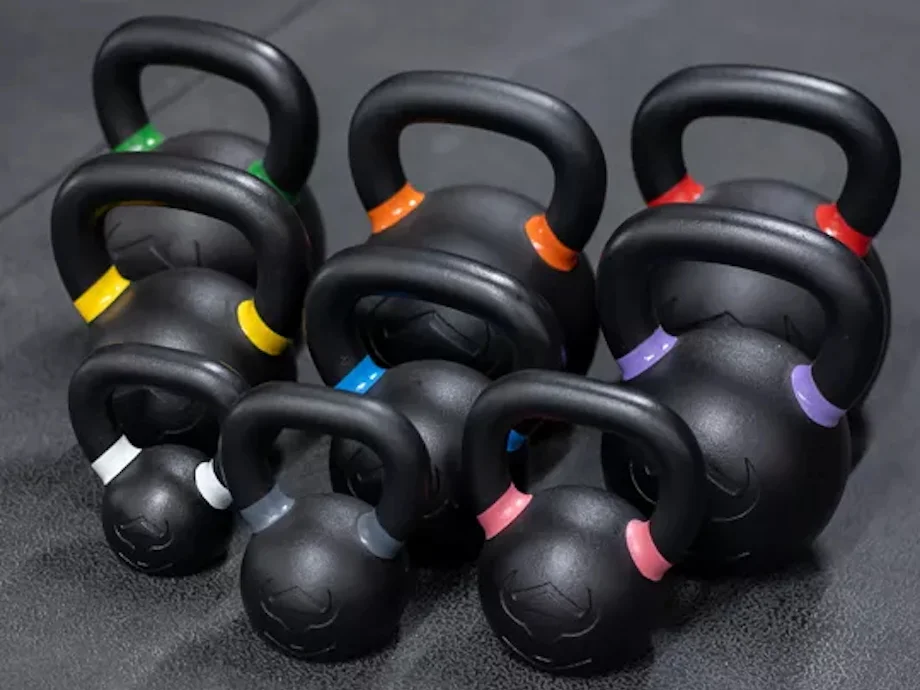
Competition kettlebells keep the same body size at every weight and use color coded bands to tell weights apart. Cast iron bells get physically larger as the weight goes up. That size difference matters for moves where the bell rests on your forearm, because a larger bell changes how it sits. It matters less for swings and deadlifts, where the bell hangs from your hands.
Weight also behaves differently on a kettlebell than on a dumbbell. The handle sits above the center of mass, so the bell pulls and swings instead of sitting balanced in your hand. That is why a weight that feels easy for a dumbbell press can feel very different on a kettlebell swing, and why testing a bell with a press alone gives a misleading read on the right size.
Start with one bell, not a full set
A full set looks impressive on a rack, but it is a poor first purchase for most people. You do not yet know which weights you will actually reach for, and a set locks money into sizes you may rarely use. One well chosen bell lets you learn the basic moves, find out whether you enjoy kettlebell training, and then add a second bell in the weight you truly need next.
If you are building a home gym from scratch, the same logic applies to other equipment. Our adjustable dumbbells buying guide makes a similar case for starting with one flexible tool before filling a room with fixed weights.
Which weight for which move
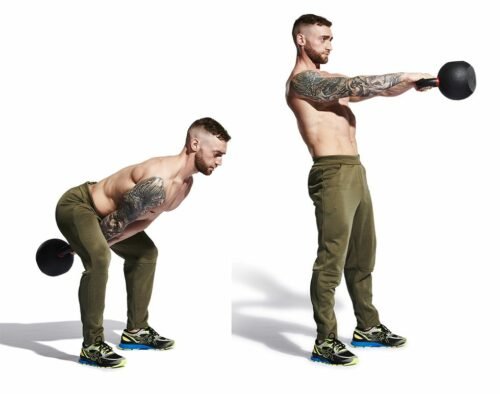
Different moves need different weights because they use different muscle groups and different ranges of motion. Swings and deadlifts use the hips and legs, so they take a heavier bell. Presses and Turkish get-ups use the shoulders and core through longer, more controlled paths, so they take a lighter bell. A single bell cannot be ideal for every move, which is why the table below splits guidance by movement type.
The weights below are common starting points used in beginner programs, not prescriptions. Your build, training history, and any past injuries all shift the right choice. If you have a health condition or an old injury, check with a qualified professional before starting a new training program.
| Move type | Common beginner starting point | Notes |
|---|---|---|
| Two hand swing and deadlift | 12 to 16 kilograms | Hip driven moves, so most adults can start here and progress upward |
| Goblet squat | 8 to 12 kilograms | Held at the chest, so grip and front rack comfort matter as much as leg strength |
| Single arm press | 8 to 12 kilograms | Shoulder moves fatigue fast, so start lighter than your swing weight |
| Turkish get-up | 6 to 8 kilograms | A slow, multi-step move where control matters more than load |
| Single arm row and carry | 12 to 16 kilograms | Rows and carries tolerate more weight because the path is short and stable |
A practical test for a first bell: you should be able to swing it for sets of 10 with solid form and still feel in control on the last rep, and you should be able to press it overhead for a few reps without leaning sideways to finish the lift. If the swing feels easy but the press feels impossible, that bell is a good swing bell and you will want a lighter second bell for pressing later. That is normal, and it is exactly how most people end up with two or three bells over time.
Cast iron, competition, or adjustable
Cast iron bells are the classic choice. They are single pieces of iron with a handle, sold in a wide range of weights, and they last for decades. Their main drawback is that the body grows with the weight, so a heavy bell feels different in the rack position than a light one. Powder coated cast iron gives a better grip than a smooth painted finish, and a slightly rough handle texture helps chalk stick if you use it.
Competition bells are made of steel and stay the same size at every weight, with a color band marking the weight. That consistency helps if you plan to practice competition style lifts or if you want every bell to feel identical in your hands. They usually cost more than cast iron bells of the same weight, and the steel handle can feel slicker, so many lifters use chalk with them.
An adjustable kettlebell replaces several fixed bells with one handle and a set of plates you add or remove. That saves floor space and money if you need a wide range, but changing the weight between moves takes time, and the plate mechanism adds parts that fixed bells do not have. Adjustable bells suit small spaces and lifters who train alone with time to adjust between exercises. Fixed bells suit anyone who wants to grab and go, or who trains with a partner at a different weight.
What to check before you buy
Handle width and finish
Handles vary more than beginners expect. A handle that is too narrow pinches two hand swings, while a very wide handle can feel awkward for single arm work. If you can, hold the bell before buying, or buy from a seller with a clear return policy. Check the finish too. A powder coat or matte finish grips better than glossy paint, especially once your hands sweat.
Base and floor protection
A flat, stable base matters because you will set the bell down between sets. A rounded or uneven base can roll on a hard floor. Kettlebells also dent wood floors and crack tiles if dropped, so a rubber mat under your training area is cheap insurance. A rubber gym mat also keeps the bell from sliding during floor moves like get-ups.
Weight markings
Look for a bell with the weight cast or printed clearly on the body. Color bands help on competition bells, but a plain cast iron bell with a clear number is just as easy to grab correctly. This matters more than it sounds once you own three bells that look alike at a glance.
How many bells you actually need
Most home lifters settle into a small collection over a year or two, not all at once. A sensible path looks like this. First, buy one bell in the 12 to 16 kilogram range for swings, squats, and deadlifts. Second, add a lighter bell around 8 kilograms for presses and get-ups. Third, add a heavier bell when your swing sets start feeling easy and your form stays solid at higher reps.
That third bell is the one people buy too early. If your swing form breaks down at rep eight, a heavier bell will not fix it. More practice with the bell you own will. When you can swing your current bell for several sets of 10 to 15 reps with good form and still recover well, that is the time to step up.
Space planning matters here too. A rack of bells takes more room than a single bell in a corner, and a home gym fills up faster than expected. If you are still laying out your training area, our treadmill vs walking pad comparison covers a similar space tradeoff for cardio equipment, and the same principle applies: measure the footprint before you buy the collection.
Comparison: which first bell to buy
| Type | Best for | Trade-off | Price check |
|---|---|---|---|
| Cast iron kettlebell | Most beginners, grab and go training | Body size grows with weight | Check price on Amazon |
| Competition kettlebell | Consistent feel across weights | Higher cost, slicker handle | Check price on Amazon |
| Adjustable kettlebell | Small spaces, wide weight range | Slower weight changes between moves | Check price on Amazon |
| Kettlebell set | Shared households, two lifters at different levels | Costs more up front, takes more floor space | Check price on Amazon |
Mistakes first time buyers make
The most common mistake is buying the heaviest bell you can lift once. Kettlebell training uses higher reps and faster moves than heavy barbell work, so a bell you can deadlift once is often too heavy to swing safely for sets. The second mistake is the reverse: buying a very light bell because it feels safe in the store, then outgrowing it in three weeks. The swing test above helps avoid both.
Another frequent mistake is ignoring the handle. Lifters focus on the number on the bell and forget they will hold that handle for hundreds of reps. A rough, unfinished handle can tear calluses, while a glossy handle slips when sweaty. If a handle feels wrong in the first session, return the bell rather than hoping your hands adapt.
Finally, do not skip floor protection. A bell dropped on a hard floor damages the floor, and a bell that rolls on a slick surface is a hazard between sets. A mat and a flat spot against a wall solve both problems for very little money.
Storing and caring for your bells
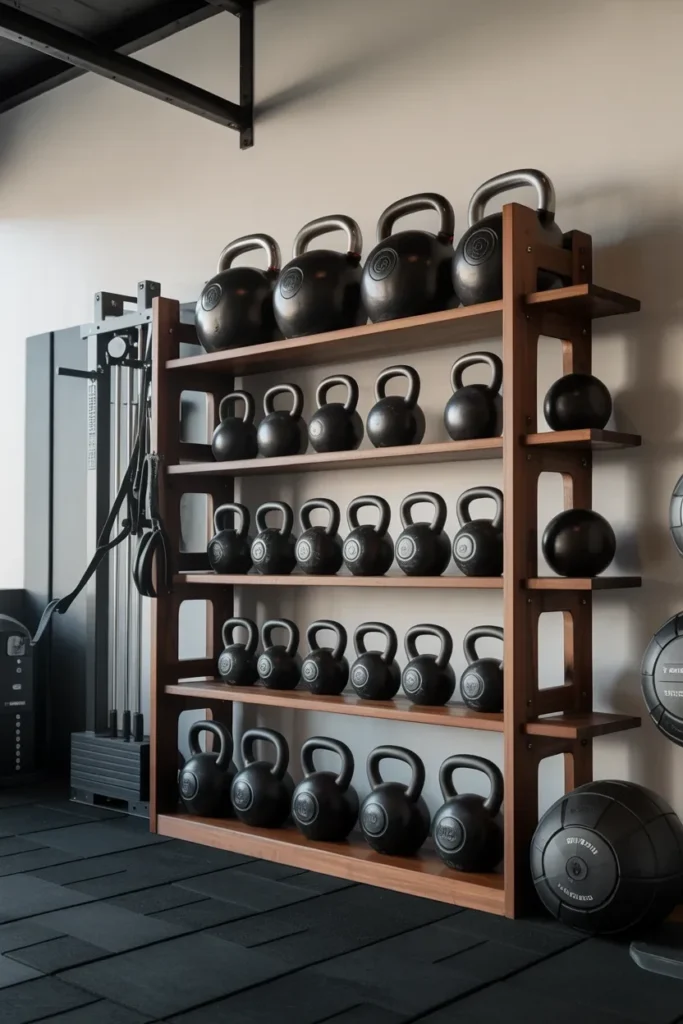
Store bells on the floor or on a low, sturdy rack, never on a high shelf where a heavy bell could fall. Keep them dry. Cast iron can rust in a damp garage, so wipe a bell down if it gets wet and keep it off bare concrete where moisture collects. Chalk dust brushes off a powder coated finish easily, and a quick wipe after training keeps the handle texture in good shape.
If you train on a treadmill as well, the same low maintenance habit pays off there. Our treadmill maintenance guide covers belt care, and the principle is identical: a few minutes of upkeep after sessions keeps equipment working for years.
The short version
Buy one bell first, not a set. Pick a weight you can swing for sets of 10 with good form and press for a few clean reps. Choose cast iron for simplicity and value, competition bells for a consistent feel across weights, or an adjustable bell if floor space is tight. Add a lighter bell for presses and a heavier bell for swings only when your current bell genuinely feels easy. A rubber mat, a flat spot on the floor, and a handle that fits your hands matter as much as the number printed on the bell.
A first kettlebell should make training simpler, not more complicated. Start with one good bell, learn the basic moves well, and let your second purchase be guided by what you actually lift every week.