
As an Amazon Associate, we earn from qualifying purchases made through links on this page.
Shopping for a stationary bike gets confusing fast, because nearly every model on the market calls itself an exercise bike, and many of them also call themselves spin bikes. The two terms overlap, but they are not the same thing. A spin bike is a specific kind of exercise bike, built for a more aggressive riding style, while the broader exercise bike category includes upright and recumbent models designed for steady, comfortable pedaling. Knowing which camp a bike falls into makes the rest of the buying decision much simpler.
What a spin bike actually is
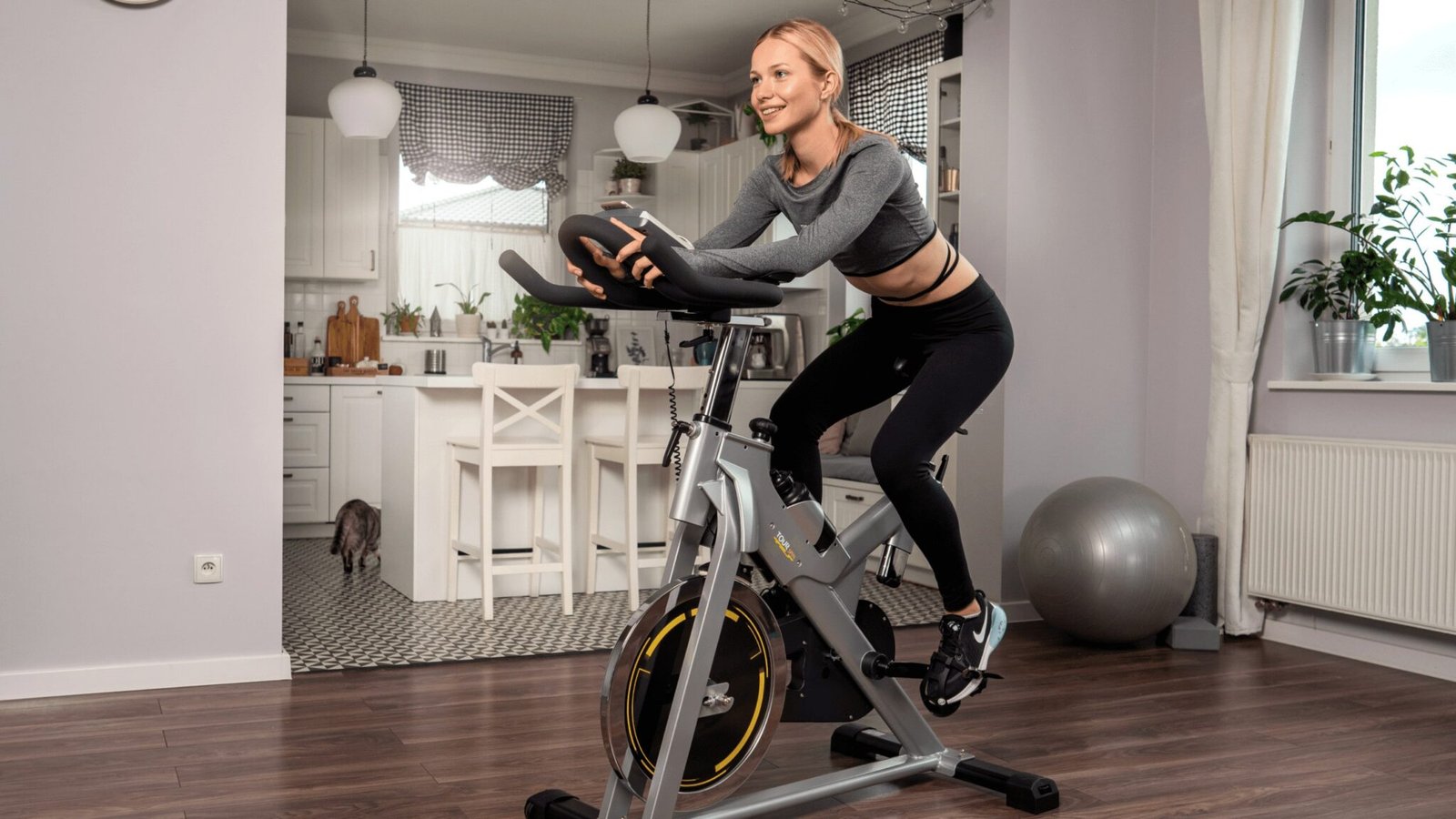
A spin bike, also called an indoor cycling bike, copies the feel of a road bike. The rider sits in a forward-leaning position over drop-style handlebars, and the pedals connect to a heavy flywheel through a direct drive. On most models the flywheel keeps turning as long as the pedals turn, so stopping means slowing the wheel down with the resistance knob or the brake, not simply coasting to a halt. That direct connection is the feature spin riders notice first. It gives a smooth, road-like pedal stroke and lets the rider stand up on the pedals for climbs and sprints.
Spin bikes are built for intensity. The frame is usually heavier and stiffer than a basic upright bike, the saddle is narrower, and the handlebars offer several grip positions, including aero bars for a tucked position. Resistance is usually adjusted with a knob, and many spin bikes use a friction pad or a magnetic system pressing near the flywheel. Because the riding position is athletic rather than relaxed, a spin bike suits people who want structured workouts, interval training, or classes, whether live-streamed or on demand.
If you are shopping for one, look for a flywheel weight in the listing, a frame weight limit, and whether the pedals accept both regular shoes and cycling cleats. Those three details tell you more about ride quality than any marketing claim. Check price on Amazon

What an exercise bike covers
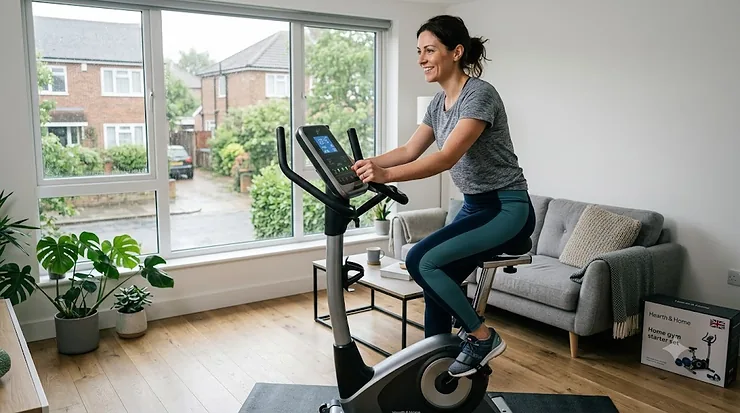
Exercise bike is the umbrella term. It covers upright bikes, recumbent bikes, and spin bikes, along with folding and desk bikes. When a listing just says exercise bike without any qualifier, it usually means an upright bike with a comfortable saddle, a back-supported or upright seating position, and a console with preset programs. These bikes are designed for general cardio at home: steady rides while watching television, low-impact sessions, and workouts where comfort matters as much as effort.
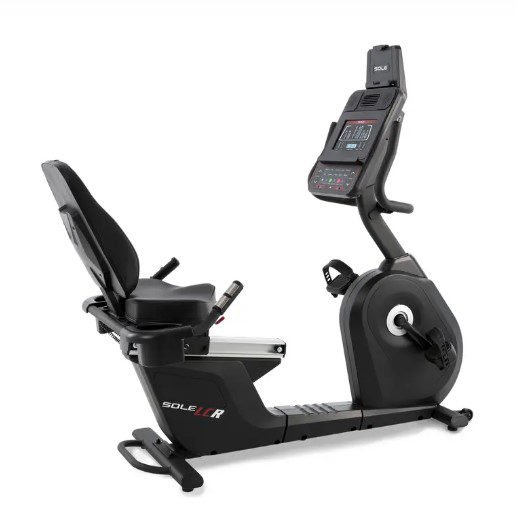
An upright exercise bike keeps the rider in a position close to a regular bicycle, but with a wider saddle and handlebars set higher and closer, so the posture stays relaxed. A recumbent bike goes further in the comfort direction, with a reclined seat, a full backrest, and pedals placed out in front of the body rather than underneath it. Both types usually use magnetic resistance, which runs quietly and changes in small steps from the console, and both tend to include heart rate grips, preset programs, and a display showing time, distance, speed, and estimated calories.
The practical difference is who each style serves. A recumbent bike is the easiest to get on and off, and the seated position takes weight off the joints, which is why it shows up often in home gyms built around gentle daily movement. An upright bike takes up less floor space than a recumbent model and feels closer to real cycling without the aggressive posture of a spin bike. Check price on Amazon
Flywheel, resistance, and ride feel
The flywheel is the main mechanical difference between a spin bike and a typical upright bike. Spin bikes use a heavier flywheel, often listed between 30 and 50 pounds, and that mass keeps the pedal stroke smooth at high cadence. Upright and recumbent bikes usually use a lighter flywheel or a magnetic resistance unit with no visible flywheel at all, and the ride feels steadier but less like a road bike. Neither design is better in the abstract. The heavier flywheel rewards hard efforts and standing climbs, while the lighter magnetic system is quieter, simpler, and easier to live with in a shared home.
Resistance type matters for noise and maintenance. Friction resistance, a pad pressing on the flywheel, is common on budget spin bikes and can wear over time, needing pad replacement. Magnetic resistance uses magnets near the flywheel with no contact, so it stays quiet and needs little upkeep, and it appears on both spin bikes and upright models. Belt drives are quieter than chain drives, and most home models now use belts, so a chain is rarely something to worry about unless you are buying a studio-grade bike.
One more mechanical point is worth checking: the Q factor, which is the distance between the two pedals. A narrow Q factor feels more like a real bicycle, while a wide stance can feel awkward on longer rides. Listings do not always state it, but reviews and spec sheets from the manufacturer often do.
Comfort, space, and who each bike suits
Comfort decides whether a bike gets used after the first month, so it deserves as much attention as the spec sheet. Spin bike saddles are narrow and firm, and new riders often find them uncomfortable for the first few weeks. Padded shorts or a gel cover can help, but the saddle shape is part of the design, not a flaw. Upright bikes use wider saddles, and recumbent bikes add a backrest and a chair-like seat, which makes them far easier to sit on for 30 to 45 minutes without thinking about the seat at all.
Space is the other everyday factor. A spin bike has a footprint close to a road bike, roughly four feet long and two feet wide, and it is heavy enough that moving it takes effort. Upright bikes are similar in length but lighter, and some fold for storage. Recumbent bikes are the longest of the three, because the reclined seat stretches the frame, so measure your floor space before ordering one. Also check the ceiling: standing climbs on a spin bike add several inches to your height, so a low ceiling or a basement with a beam can get in the way.
For workout style, the split is simple. If you want instructor-led classes, intervals, and standing climbs, a spin bike is the right tool. If you want steady cardio, a bike you can ride while reading, or a machine several household members with different fitness levels can share, an upright or recumbent bike fits better. Check price on Amazon
Consoles, classes, and ongoing costs
Spin bikes range from bare-bones models with a simple resistance knob and a basic display to connected bikes with large screens and monthly class subscriptions. The subscription question matters: a bike that only works well with a paid app costs more over two years than its sticker price suggests, so check whether the bike works without a subscription and whether it pairs with third-party apps you already use. Upright and recumbent bikes usually include built-in programs at no extra cost, which keeps the total cost of ownership close to the purchase price.
Console features worth comparing include a display that shows cadence, which spin classes rely on, Bluetooth heart rate pairing, and adjustable handlebars and seat in both directions. Fore and aft seat adjustment matters more than it sounds: without it, taller and shorter riders cannot both find a comfortable reach to the handlebars. If two people of different heights will share the bike, four-way adjustment on the seat and handlebars is worth paying for.
Side-by-side comparison
| Feature | Spin bike | Upright exercise bike | Recumbent exercise bike |
|---|---|---|---|
| Riding position | Forward-leaning, athletic | Upright, relaxed | Reclined, with backrest |
| Flywheel | Heavy, direct drive | Light or magnetic unit | Light or magnetic unit |
| Best for | Classes, intervals, standing climbs | Steady cardio, general fitness | Gentle, comfortable daily rides |
| Noise | Quiet with belt and magnetic resistance | Very quiet | Very quiet |
| Floor space | Moderate, heavy frame | Moderate, often lighter | Largest footprint |
| Where to check prices | Check price on Amazon | Check price on Amazon | Check price on Amazon |
Which one should you buy
Start with the workout you actually want to do three times a week, not the workout you imagine doing someday. If the answer involves classes, sprints, and standing climbs, buy a spin bike and budget for padded shorts while you get used to the saddle. If the answer is a steady 30-minute ride while you catch up on a show, an upright bike will serve you well at a lower price and with less setup. If getting on and off a bike is hard, or long seated sessions are the goal, a recumbent bike is the comfortable pick, provided you have the floor space for it.
Whatever you choose, check the weight limit, the adjustability range, and the return policy before ordering. A bike that does not fit your height or your room will not get used, no matter how good its reviews are. And if you are still deciding between cardio machines in general, our guides to treadmills vs walking pads and rowing machine types cover the other side of the home cardio question, while the treadmill buying guide explains motor, belt, and incline specs in the same plain terms. Pair any of these with strength work from our kettlebell buying guide and you have a home gym that covers both cardio and strength without needing a full rack of equipment.